Hub Five

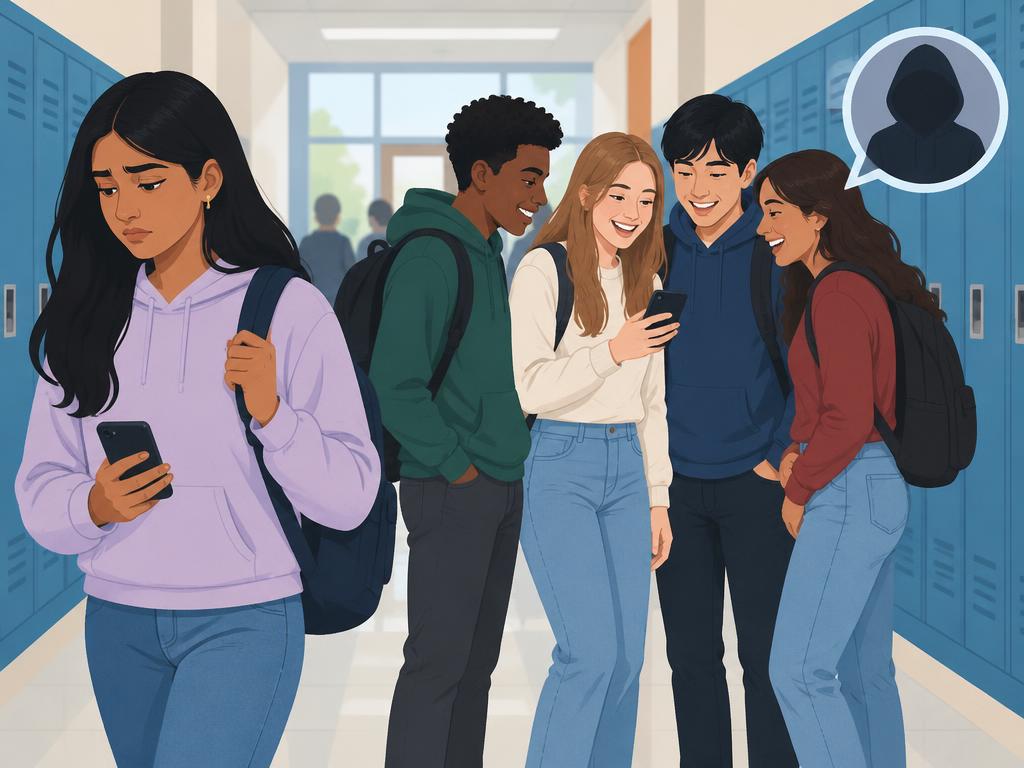
Not the First Time They Hear It

We have to teach our children what to do in these difficult situations before they happen. When a threat shows up, a teen who has already talked it through knows what to do and who to tell.

Subject 01

Teach What to Do

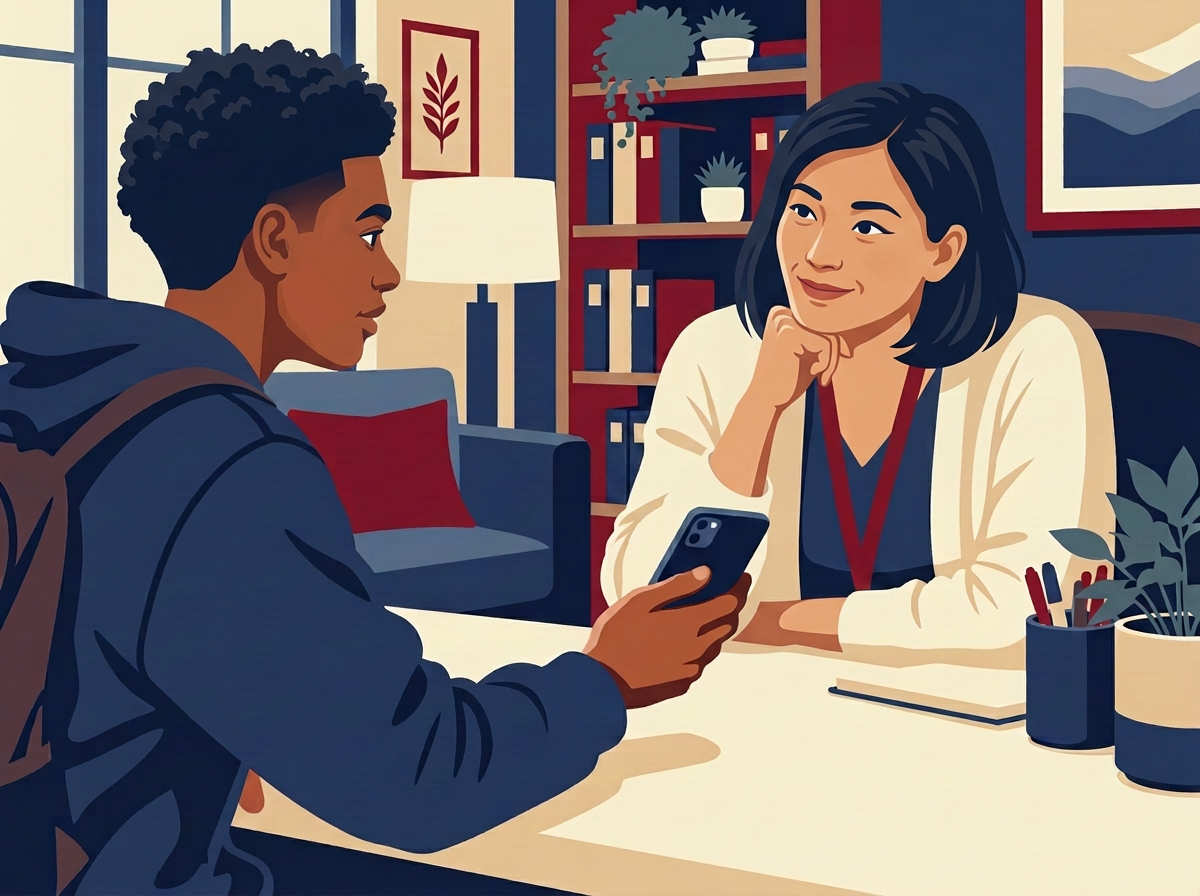
Practice the response before the moment arrives

  • Talk through real scenarios: a stranger messages, a group chat turns ugly, someone asks for a photo.
  • Agree on a plan: stop, do not respond, screenshot, leave and tell a trusted adult.
  • Promise that telling you will not automatically mean losing their phone.
  • Name trusted adults they can go to: parents, relatives, counselors, teachers or a school resource officer.
Subject 02

Stranger Danger Is Real, Especially Online

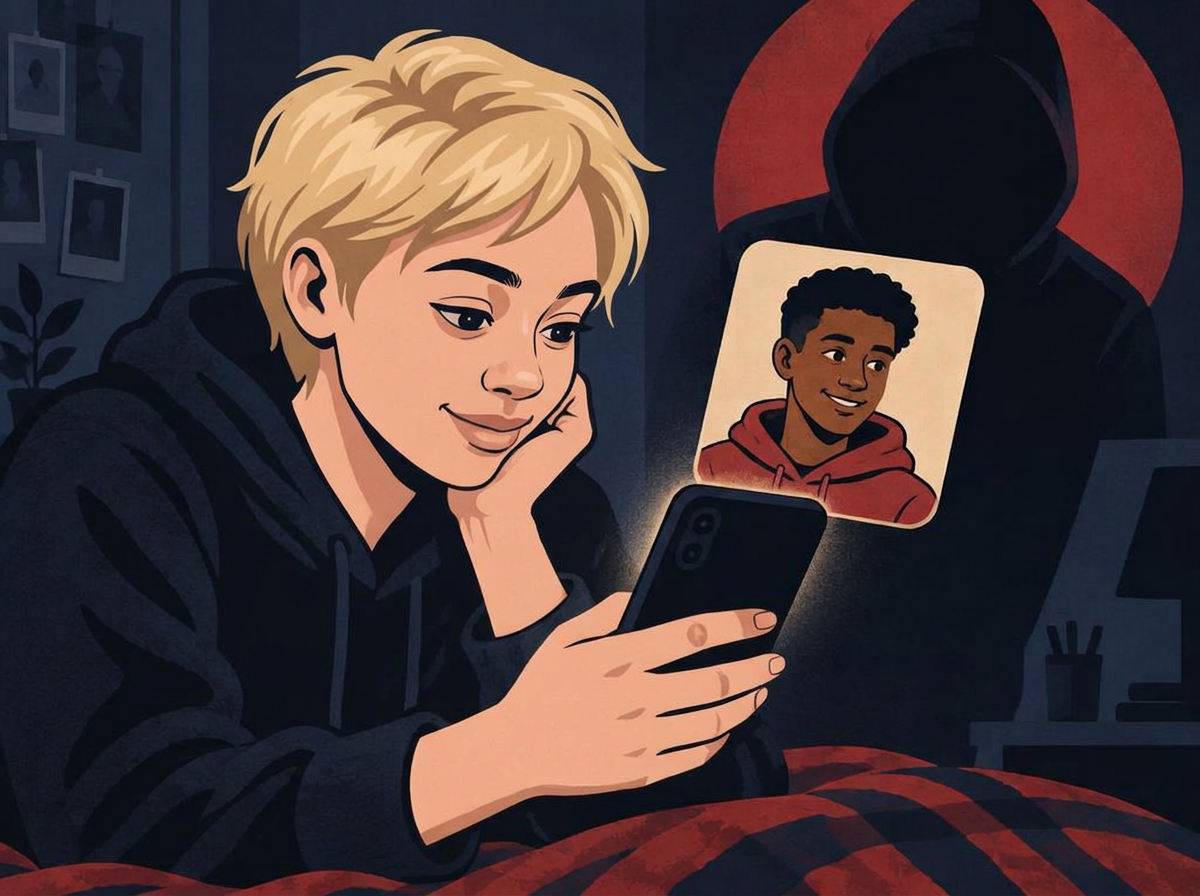
Friendly avatars can hide adult strangers

  • Online, anyone can pretend to be a teen, a fellow gamer or a friend of a friend.
  • Strangers often start in games or group chats, then move you to private messages.
  • Never share your address, school, schedule or photos with someone you have only met online.
  • Never agree to meet someone from online alone.
Subject 03

When a Chat Turns Threatening

Tell them to stop, leave the thread, and report it

  • If you are in a chat thread and people start threatening each other, tell them to stop.
  • Leave the thread. You do not have to stay and watch.
  • Screenshot the threats before leaving if you can.
  • Report it to a trusted adult. Threats of violence should always be taken seriously.
Subject 04

Inappropriate Images Are Illegal

If someone sends them, report it

  • If someone messages you and sends inappropriate images of themselves or other classmates or juveniles, report it to a trusted adult.
  • It is illegal. Sexual images of anyone under 18 are illegal to create, send, keep or share.
  • Do not forward it, even to show someone. Tell an adult and let them report it.
  • You are not in trouble for receiving something you did not ask for.
Subject 05

Social Media Dangers

What kids see, copy and post, and who is watching

  • Language: harsh or explicit language becomes normal quickly.
  • Inappropriate videos: algorithms can push mature content to young users.
  • Mimicking adult behaviors and dances that attract the wrong audience.
  • Posting videos: who is really watching?
  • Meeting up with unknown people from online.
Subject 06

You May Feel Alone…

Do not trauma bond with someone online that you don’t know

  • When life is hard, a stranger who “gets you” can feel like a lifeline.
  • Trauma bonding means forming a deep attachment through shared pain. Manipulators use it to create loyalty and secrecy.
  • Someone who truly cares about you will never ask you to keep them secret from the people who love you.
  • If you are hurting, reach out to someone you know in real life, or call or text 988.
Need help now? Call or text 988