Hub Three

Oversharing

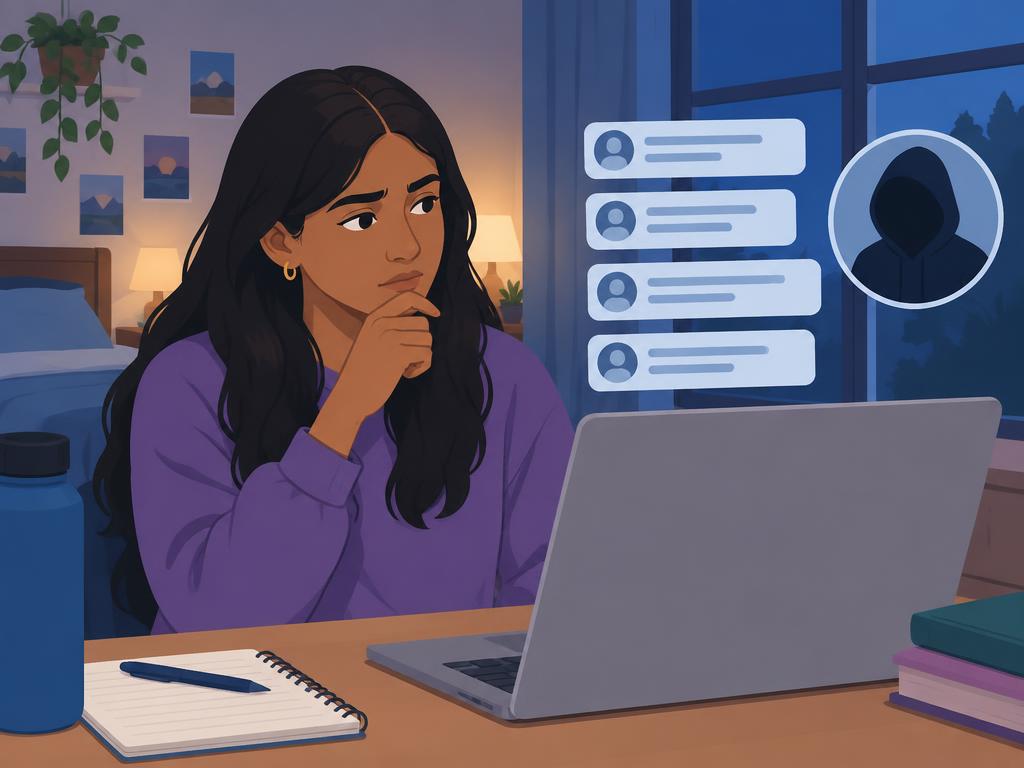
Every post, check-in and tagged photo is a clue. A single post may seem harmless, but together they give scammers everything they need to target you or your family.

Subject 01

Your Family Becomes the Target

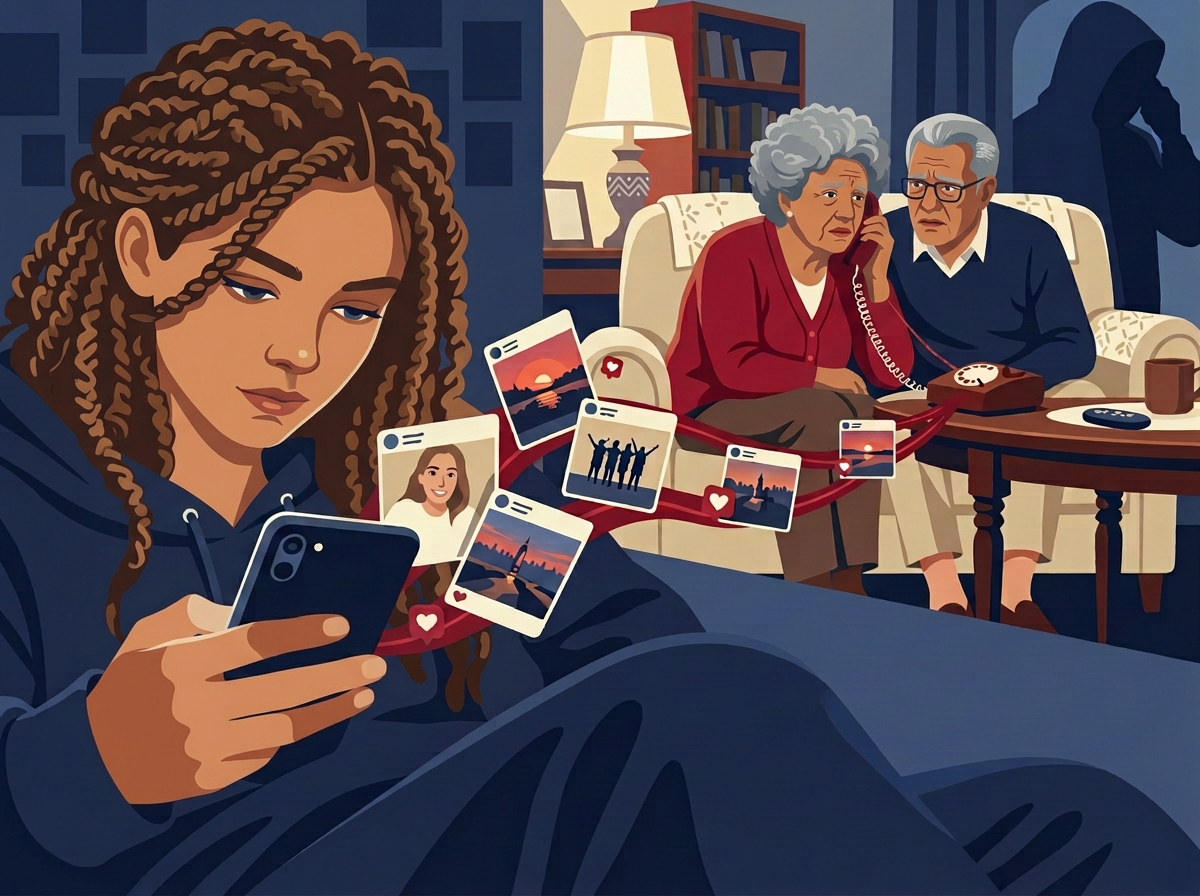
What if they couldn’t scam you, but your parents or grandparents were targeted because of you?

  • Your posts reveal your grandparents’ names, where they live, and what you call them.
  • Videos of you talking give scammers a voice sample to clone.
  • Travel posts tell them when you are away and hard to reach, which is exactly when a fake “emergency” call works.
  • Protecting your information protects the people who would do anything to help you.
Subject 02

Any Volunteers?

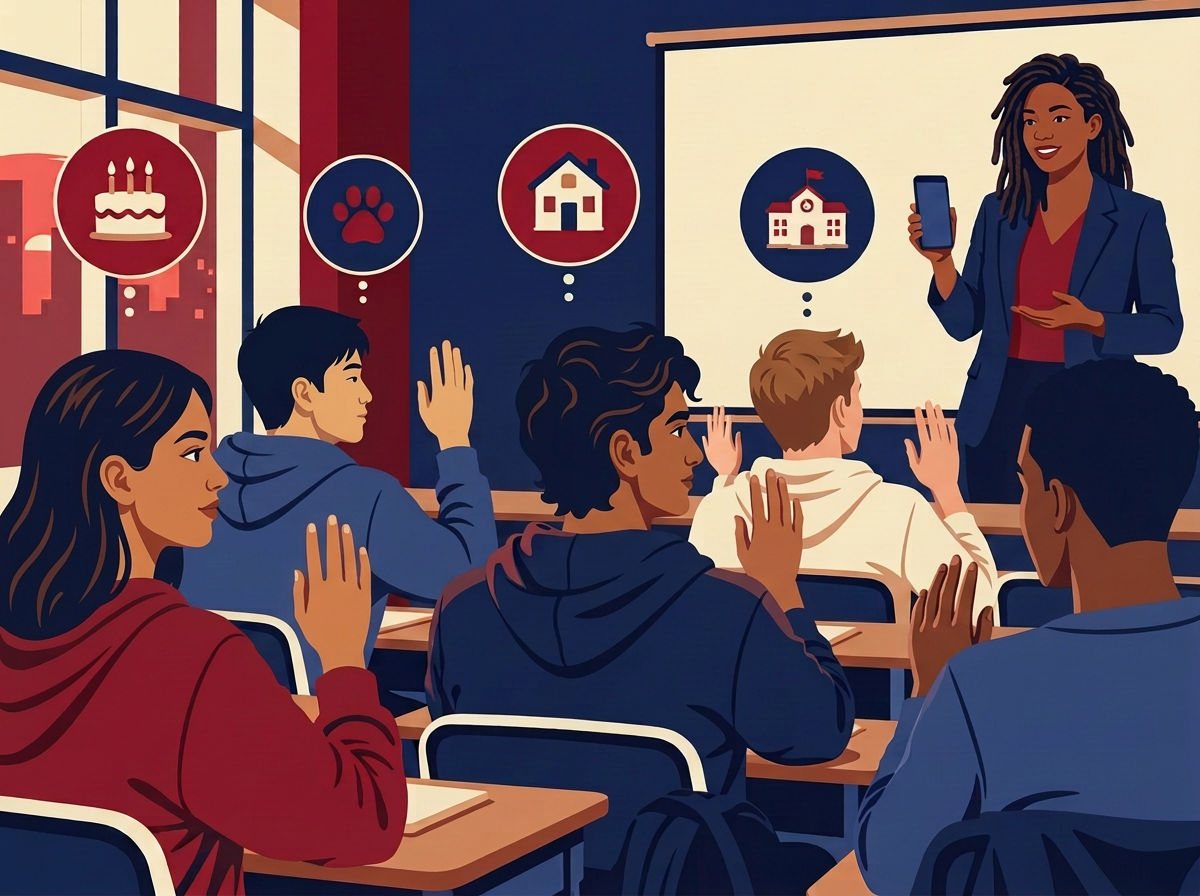
Would you be willing to share a small bit of information?

  • In a room full of people, very few would stand up and share their birthday, address, pet’s name and mother’s maiden name.
  • Yet many of us post all of that online for strangers to see.
  • If you would not say it out loud to a room of strangers, do not post it to the internet.
Subject 03

Small Details Add Up

Your answers to security questions may already be public

  • “Happy birthday to my first dog, Max!” answers a common security question.
  • School shirts, jerseys, and team photos give away your school and schedule.
  • Photos in front of your house or car can show your address or license plate.
  • Fun quizzes like “your rapper name is your street + first pet” are designed to collect this information.

Before you post, ask yourself

  • Does this show where I live, go to school or work?
  • Does this tell people where I am right now or when I’m away?
  • Could this answer a security question?
  • Who can see this: friends, friends of friends or everyone?
Need help now? Call or text 988